Nomadic culture: discover Mongolia’s unique way of life
In the middle of Central Asia is an area of vast wilderness, where nomadic traditions have existed for centuries. Often referred to as the “Land of eternal blue skies,” Mongolia is characterised by a unique nomadic culture that has captured the world’s imagination. The nomadic way of life, deeply rooted in Mongolia’s history and identity, offers a unique perspective on human existence. In this blog post, we dive into the heart of nomadic culture, exploring every aspect, from the iconic yurts to the nomads’ daily routines and traditions.
The nomadic lifestyle
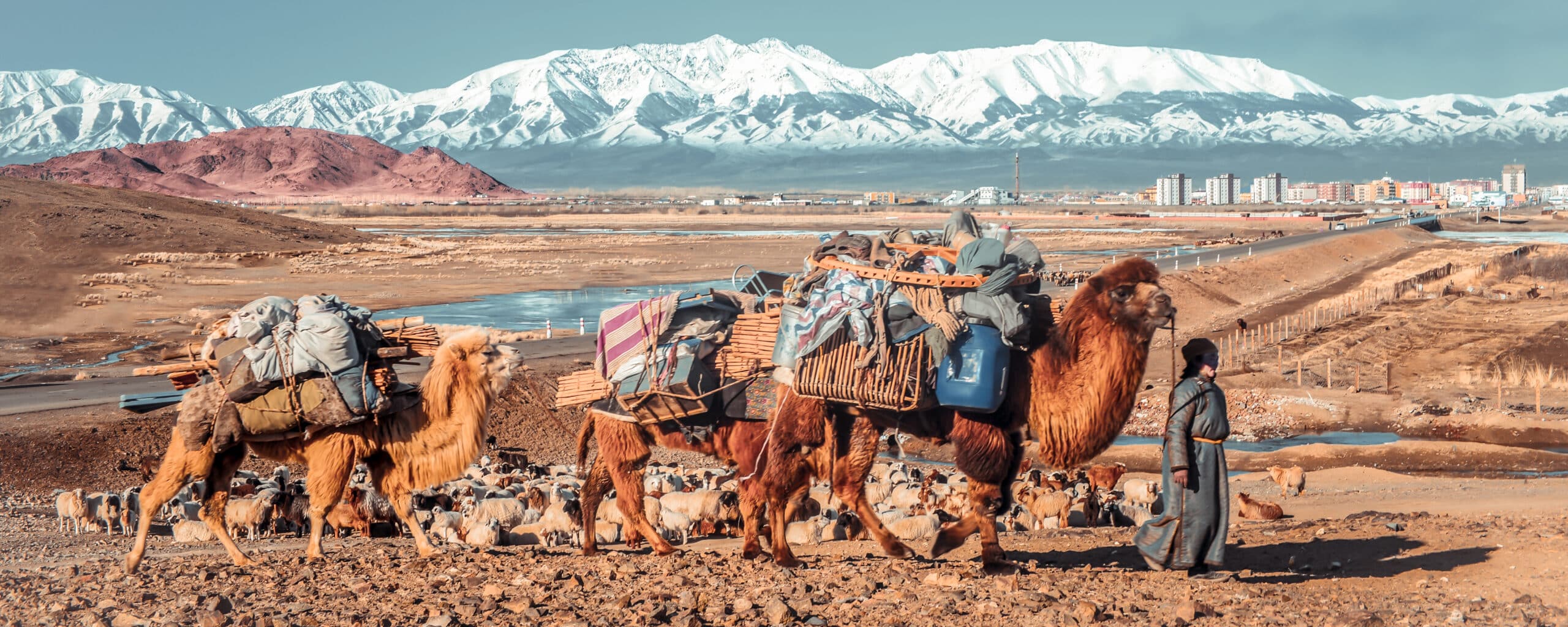
Mongolia’s nomadic culture is deeply rooted in the vast steppes, deserts and mountains that criss-cross the country. For generations, Mongolians have embraced a lifestyle that revolves around mobility and self-sufficiency. This nomadic lifestyle reflects not only their resilience, but also their deep connection with nature.
A welcoming community
Mongolians are known for their hospitality, which is a big part of their nomadic culture. Whether you are a traveller passing by or a neighbour in need, you will find that Mongolians are always ready to welcome you into their homes, or in this case, their yurts.
The yurt: a portable home
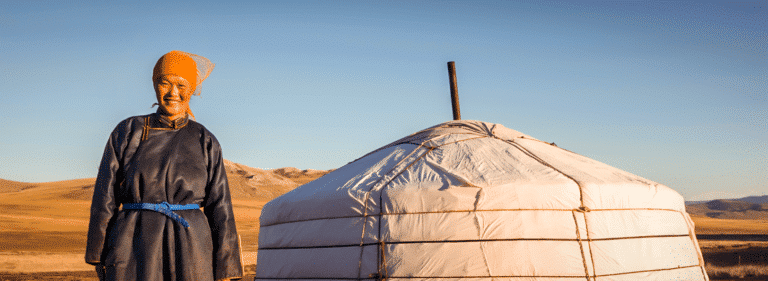
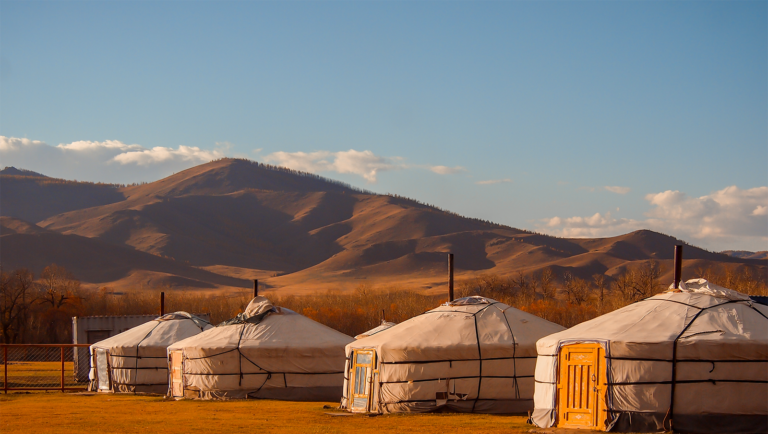
At the heart of Mongolian nomad culture is the yurt, a remarkable and ingenious dwelling designed for the nomadic way of life. The yurt is a circular, tent-like structure made of wooden grid walls covered with felt and canvas. It is designed so that you can easily assemble and disassemble it, making it perfect for a nomadic lifestyle.
Entering a Mongolian yurt is like stepping into another world. The interior is carefully organised, with a central fireplace providing warmth and light. Walls are decorated with vibrant fabrics and intricate patterns, creating a cosy and inviting atmosphere. The yurt is not just a shelter; it is a symbol of home and tradition.
The nomadic diet
Mongolian cuisine reflects the nomadic lifestyle – simple, hearty and nutritious. Meat, especially mutton, is an important part of their diet. One of the most iconic Mongolian dishes is “buuz”, steamed dumplings stuffed with meat and flavourful spices. The nomadic diet is designed to provide energy and food for a demanding way of life.
Adapting to change
In recent years, nomadic culture in Mongolia has faced the challenges of modernisation and climate change. Although some aspects of the nomadic way of life have evolved to incorporate technology and new practices, the essence of the culture remains intact. Watch this documentary for a look at modern nomadic life:
Mongolia’s nomadic culture is a testament to a people’s strong attachment to their land and traditions. The nomadic lifestyle, warm hospitality, yurts and unique cuisine all contribute to the mystique of this remarkable culture. To truly appreciate Mongolian nomad culture, you have to experience it for yourself.
Frequently asked questions:
Can I visit Mongolia and experience the nomadic culture?
Absolutely! Mongolia welcomes travellers who want to explore nomadic life. You can stay in traditional yurts, take part in local festivals and immerse yourself in this unique way of life. Book a tour here.
How do nomads survive the harsh Mongolian winters?
Nomads are well prepared for winter. They store food, gather fuel for heating and rely on the insulating properties of their yurts to stay warm.
Is nomadic culture in danger of disappearing?
Although modernisation brings challenges, Mongolians are proud of their nomadic traditions and try to preserve them. The culture continues to flourish even despite the changes.
What is the significance of the yurt in nomadic culture?
The yurt is the beating heart of nomadic life, serving as a central hub for family life, traditions and protection from the elements.