Ulaanbaatar: Dive into the fog of the world’s most polluted city
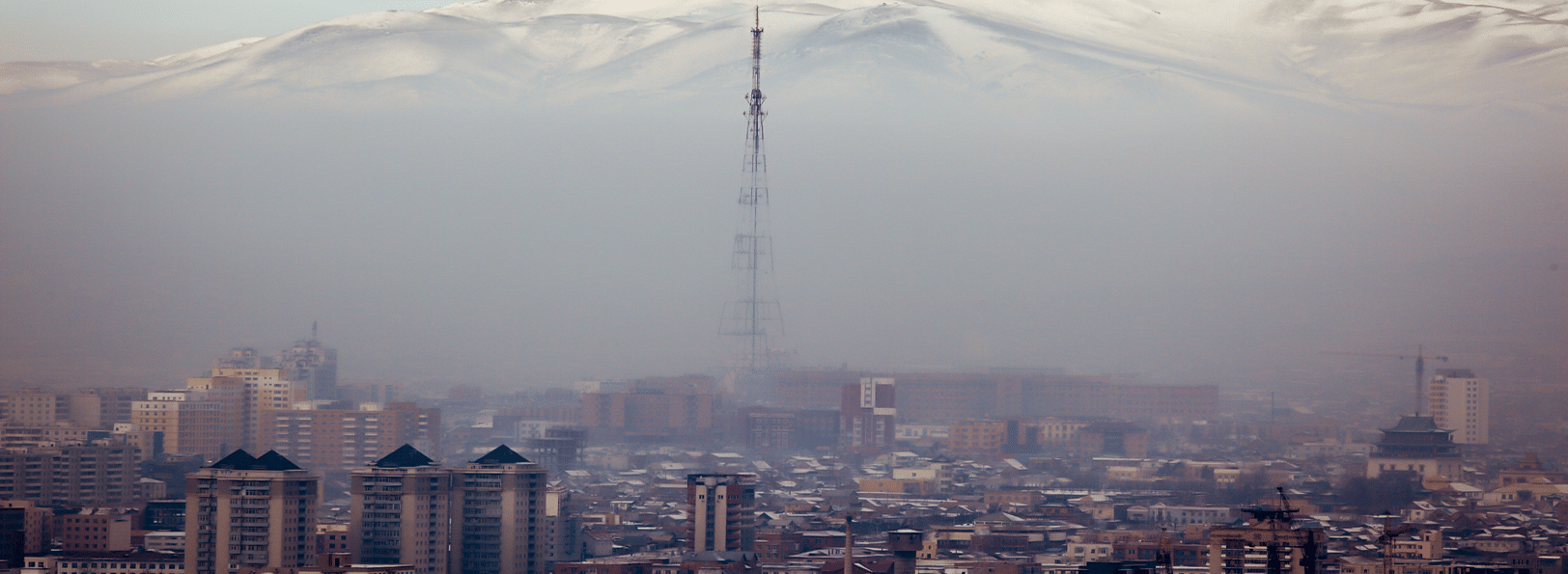
Ulaanbaatar: The world’s most polluted city is Mongolia’s capital. It is a living testament to the complex dance between industry, culture, and environmental problems. At a time when the world is struggling with pollution, this city stands out as one of the hardest hit places. Let’s dive into the depths of Ulaanbaatar’s pollution problem and discover how the city is fighting this crisis on many fronts.
Geographical challenges
Located in the middle of Mongolia, Ulaanbaatar faces unique geographical challenges that contribute to pollution. Sandwiched between mountains, the city undergoes a natural process called thermal inversion, which traps airborne pollutants.
Industrial evolution and increasing pollution
To understand the current problems, we need to go back in time. Ulaanbaatar has been rapidly industrialised since the middle of the last century, which has increased pollution. The transition from nomadic lifestyles to urban crowds brought not only economic growth but also environmental problems. According to recent air quality reports, Ulaanbaatar is consistently the most polluted capital in the world. Residents struggle with serious health problems, with respiratory problems alarmingly common.
Ulaanbaatar’s pollution has multiple causes. The city relies heavily on coal for home heating, combined with traffic emissions and industrial activities, which together pose a triple environmental threat. To address the growing crisis, the Mongolian government has taken several measures. From regulating industrial emissions to promoting cleaner home heating, these initiatives seek to balance economic growth and environmental conservation. Striking a balance between economic growth and environmental stewardship is not easy. Deep-rooted cultural practices, such as the use of coal for heating, add another layer of complexity to efforts to control pollution.
Local involvement
Locals recognise the importance of action at the local level. Residents of Ulaanbaatar actively participate in initiatives to reduce pollution, from planting trees to advocating for cleaner technologies. Technological advances and smart urban design are playing an increasing role in the fight against pollution. Electric public transport and green building practices are some of the innovations through which Ulaanbaatar is pursuing a sustainable future.
A comparison with other polluted cities worldwide offers valuable insights. Learning from success stories and understanding challenges elsewhere helps in finding more effective pollution control strategies. Despite current challenges, there is hope. Ulaanbaatar is actively committed to sustainable development goals, with a focus on improving air quality and creating a healthier environment for residents.

Pollution as a threat
The pollution crisis threatens not only nature but also Ulaanbaatar’s rich cultural heritage: the world’s most polluted city Efforts to preserve cultural traditions amid the pollution challenge highlight the fine balance between progress and heritage preservation. Thanks to global media coverage, Ulaanbaatar’s fight against pollution has not gone unnoticed. It has led to international support and cooperation, making the city a symbol of the urgent need for global cooperation against pollution.
Even tourism in Ulaanbaatar is suffering from the pollution crisis. Efforts to promote sustainable tourism and create awareness about the environmental challenges facing the city are crucial for its future attractiveness as a tourist destination.
In short, Ulaanbaatar’s status as the world’s most polluted city is a call to action for all of us. While the city struggles with the complexity of geographical, historical and cultural factors that contribute to pollution, it reflects the global effort for environmental awareness. The way forward is challenging, but with concerted efforts by governments, communities and individuals, Ulaanbaatar can move out of the fog and into a cleaner, healthier future.
Veel gestelde vragen
- What measures has the Mongolian government taken to curb pollution in Ulaanbaatar?
Measures include regulating industrial emissions and promoting cleaner home heating. - How does Ulaanbaatar’s pollution compare with other polluted cities worldwide?
Ulaanbaatar consistently ranks as the world’s most polluted capital. - What role does the community play in reducing pollution in Ulaanbaatar?
The community is actively involved in initiatives such as tree-planting campaigns and advocates for cleaner technologies. - How does Ulaanbaatar deal with the cultural impact of pollution on its heritage?
There are efforts to preserve cultural traditions amid pollution control, a delicate balance between progress and tradition. - What can tourists do to contribute to pollution control efforts in Ulaanbaatar?
Tourists can promote sustainable tourism, create awareness about environmental challenges and support local pollution reduction initiatives.